
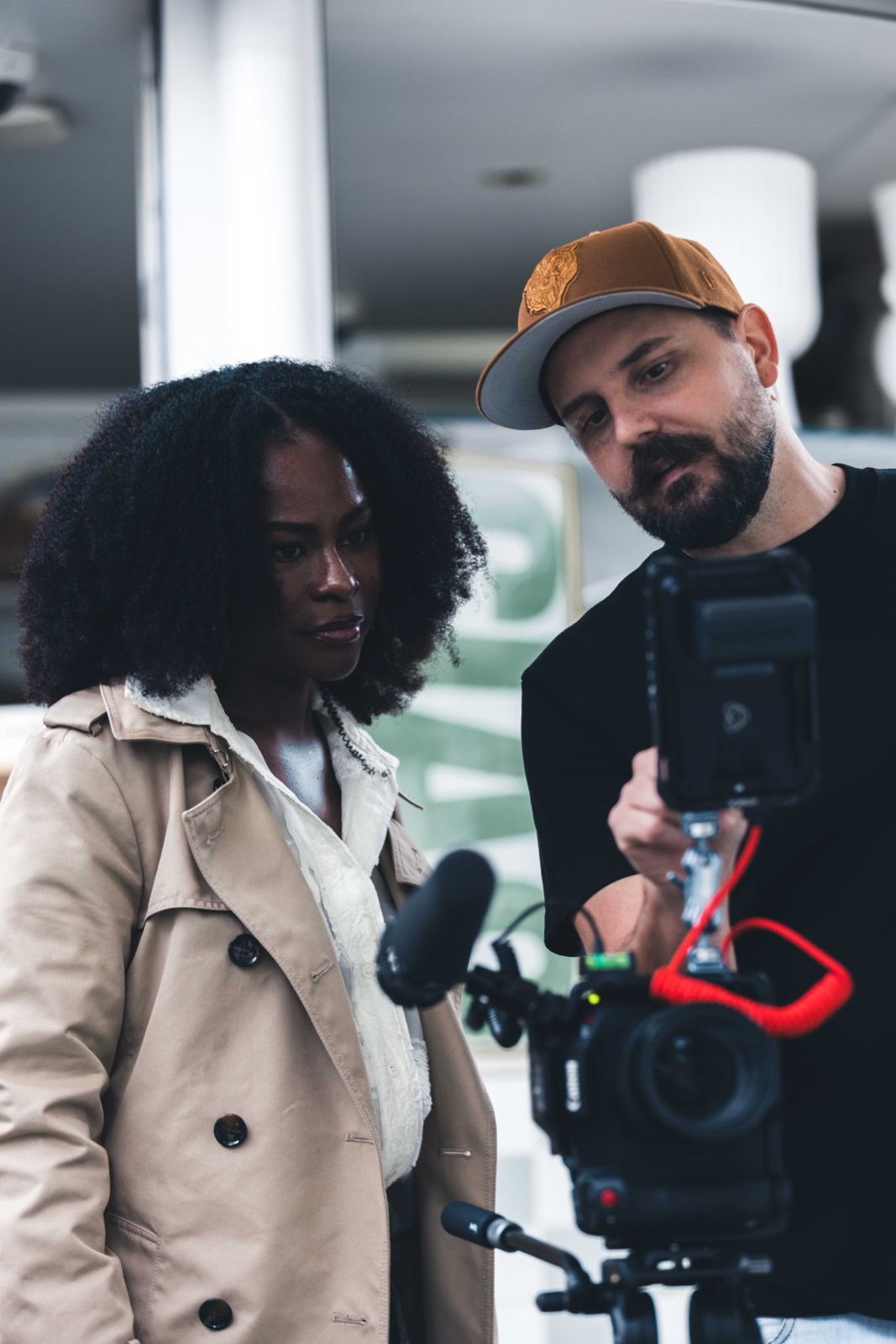
What you’re actually paying for in a high-end Brisbane content package
In my last article I broke down what social media content actually costs in Brisbane in 2026, and the question I always get after someone reads a pricing guide like that is some version of this: “mate, the top tier is $6,000 to $8,500 a month. What am I actually getting for that kind of money that I’m not getting for $3,000?”
It’s a fair question, and the answer is genuinely hard to show in a list of deliverables. Because the real difference between a mid-tier content package and a high-end one isn’t the number of photos or the length of the video. It’s all the work that happens before anyone picks up a camera, and all the work that happens after the final files get delivered. Most of that work is invisible to clients. And that’s precisely why so many businesses underestimate what premium content actually costs to produce properly.
So let me pull the curtain back a bit. I want to walk you through what genuinely goes into a high-end content package, the stuff that doesn’t fit on a rate card but absolutely shows up in the results, so you can make an informed call about whether that investment makes sense for your business.
The iceberg
There’s a cliché in creative work about it being an iceberg, where 10% is visible and 90% is hidden beneath the surface. I hate clichés but this one is painfully accurate for content production. The shoot itself, the part that looks like “the work,” is genuinely maybe 10 or 15 percent of the total hours that go into a premium package. Everything else lives in pre-production and post-production, and the gap between a good shoot and a great shoot is decided long before anyone arrives on set.
When you pay for a lower-tier retainer, you’re essentially paying for the visible 10%. Someone turns up, shoots some content, hands you the files. That’s legitimately useful, and for many Brisbane businesses it’s exactly the right product. But when you pay for the high-end tier, you’re paying for the other 90%, the preparation and strategy and craft that turn “nice photos” into “content that actually moves the needle.”
Let me walk you through what that 90% actually looks like.
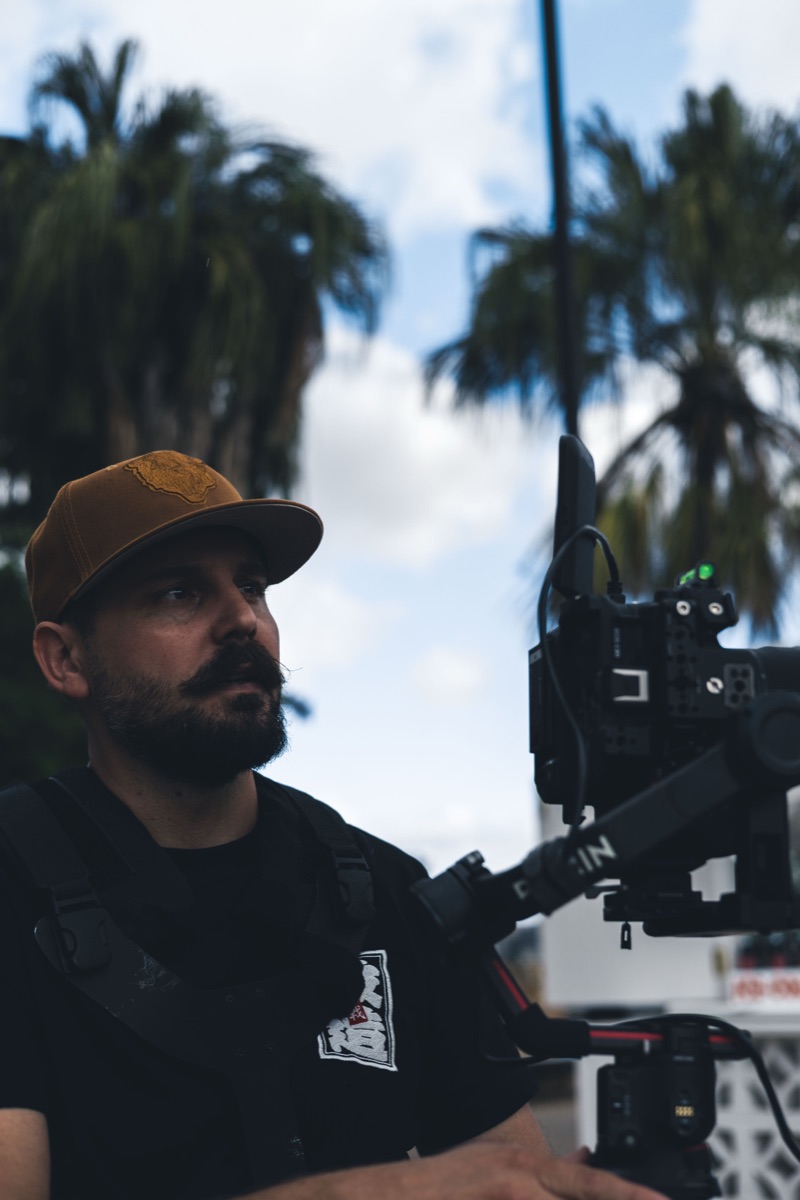
Strategy, before anyone thinks about cameras
Every high-end package starts with a genuine strategy conversation. Not a five-minute chat about vibes, but an actual sit-down to work out what the business is trying to achieve over the next three, six, twelve months, and how content can contribute to that. A new Brisbane restaurant opening a second venue needs different content than an established cafe trying to defend market share against a trendy new neighbour. A fitness brand launching an app needs completely different content than a fitness brand trying to sell retreat packages.
The strategy work is where we decide what success actually looks like. Is it bookings? Is it reach into a new suburb? Is it brand repositioning ahead of a price increase? Is it supporting a launch window? Because the shoots we plan, the aesthetic we build, the trends we do or don’t chase, all of that flows downstream from that initial clarity. Without it, you get pretty content that doesn’t do anything for the business. With it, every asset has a job.
This upfront strategy work is usually around 4 to 8 hours per month of thinking, meeting, and planning before any production happens. It rarely shows up on a list of deliverables because it’s not a thing you can hand over. But it’s what separates content from content marketing.
Creative direction and the mood-boarding rabbit hole
Once we know what we’re doing and why, we have to figure out what it actually looks like. This is where I spend a stupid number of hours on Pinterest, Behance, Instagram, and the saved-posts graveyards of my own phone, pulling references that might inform the aesthetic direction for the month’s shoots.
Mood boarding for a premium package isn’t “here are ten photos that feel nice.” It’s an iterative process where we’re looking at lighting choices, colour palettes, compositional patterns, the way certain brands frame their food or their models, the tiny details that make expensive content look expensive. We’re asking questions like: does this brand live in natural light or studio light? Does the colour grade lean warm or cool? Are we shooting wide or tight? Is the overall feel polished or raw? Elevated or approachable?
All of those questions have knock-on effects for every single decision that follows, from which lenses we pack on the day to how the edit gets graded afterwards. Get the mood direction right and everything downstream gets easier. Get it wrong and you’re fighting the creative all month.
For a high-end retainer client I’ll typically build out a fresh mood board every month, pulling 30 to 50 references and then ruthlessly cutting it back to the 10 or 12 that actually inform the shoot. That’s a few hours of work that the client sometimes never even sees, and it happens before the first photo of the month is taken.
Trend research that isn’t just chasing trends
There’s a lazy version of trend research that looks like “open TikTok, find the most-used sound this week, copy it.” I understand why agencies do it, because it’s fast and it sometimes works. But it also makes every brand look the same, and worse, it makes brands look like they’re chasing rather than leading.
The version of trend research that happens in a premium package is slower and more thoughtful. We’re looking at what’s actually gaining traction, but filtering it through the question “does this make sense for this specific brand right now?” Sometimes a trend is too cheeky for a premium restaurant. Sometimes a trend aligns perfectly with a launch window. Sometimes you can take the underlying structure of a trend and strip out the surface and make it feel completely original.
We’re also paying attention to the quieter signals. What’s happening in adjacent categories? What aesthetic choices are moving in high-end editorial? What music is starting to show up in brands that do things well? This kind of research is genuinely hours per week of just paying attention, and it directly informs the creative choices we make when we plan the month’s content.
Music curation, which is its own rabbit hole
On the subject of music, finding the right track for a Reel is dramatically harder than most people realise. For premium work you’re not just grabbing the first trending sound that matches the vibe. You’re looking at what has the right energy, what’s on the rise but hasn’t peaked yet, what’s licensed appropriately for commercial use, what works with the edit pacing you’re planning, and what fits the brand’s overall audio identity.
For a single 30-second Reel I might audition 15 or 20 different tracks before settling on one. Multiply that across a month’s worth of video output and music curation is easily another few hours per month of work that never appears on any invoice line item.
Casting, when the brand needs people
For clients where the content features talent, whether it’s the owner, staff, models, or customers, casting becomes another significant pre-production layer. Finding the right face for a brand isn’t just about who looks good on camera. It’s about who has the right energy for the audience you’re trying to reach, who feels authentic to the brand’s positioning, and who actually photographs and films well in the specific aesthetic we’ve decided on.
Sometimes this is as simple as briefing an existing staff member on how to present themselves on the day. Sometimes it’s a proper casting process with a shortlist, test shots, and a selection conversation. Either way, it’s work that happens weeks before the shoot and completely changes the outcome.
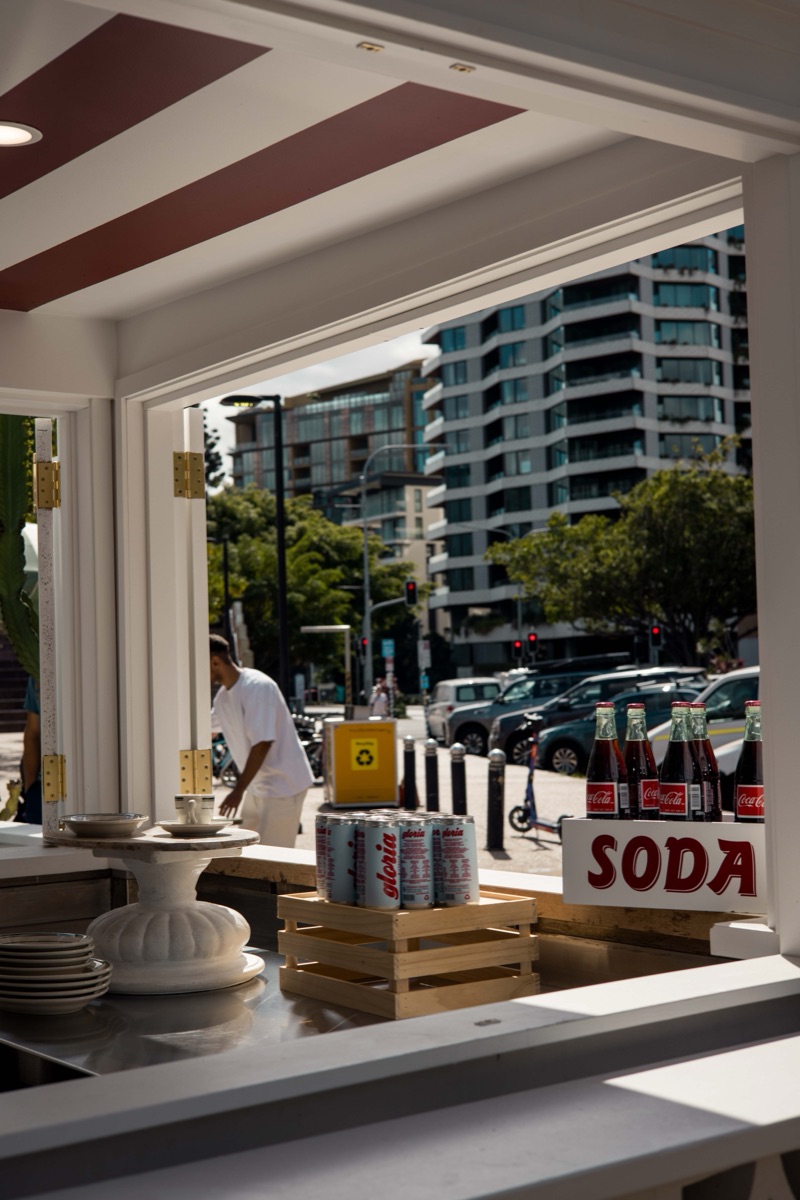
The shoot itself, the easy part
And then, finally, we actually shoot. By the time we get here the strategy is locked in, the mood is clear, the trend research has shaped the creative, the music is picked, the talent is booked, the location is scouted, the shot list is ready. The shoot itself, which is the part everyone imagines when they think of content creation, is where all of that preparation pays off in maybe 6 to 10 hours of actual on-set time.
When the prep is good, shoots feel calm and efficient. When the prep is missing or rushed, shoots feel chaotic and the output reflects that. The difference between a smooth shoot and a chaotic one is almost never the photographer’s skill. It’s the depth of preparation that happened in the weeks before.
Post-production and platform fitting
After the shoot, the work isn’t done. It’s barely even at the halfway mark. Editing video for a premium package involves choices about pacing, narrative structure, audio mixing, colour grading, and the tiny sound design details that most people can’t articulate but absolutely feel. A reel that cuts a beat early or a beat late has a completely different energy than one that’s landed perfectly.
And then there’s platform fitting, which is its own thing. The content that works on Instagram Reels isn’t necessarily the content that works on TikTok, which isn’t the same as what works on LinkedIn. A premium package accounts for this by producing platform-specific versions, with different cuts, different captions, different aspect ratios, and sometimes different music choices depending on where the content is going to live.
Multiply all of that across a month’s worth of output, and post-production easily eats as many hours as the shoot itself, usually more.
What you’re actually paying for
So to answer the original question: when you pay for a high-end content package, you’re not paying for 30% more photos than the mid-tier. You’re paying for strategy, creative direction, mood boarding, trend filtering, music curation, casting, location planning, polished execution, premium post-production, and platform-specific optimisation. All of which combine to turn content from “nice assets you’ll post and forget” into “a compounding engine for growth and brand equity.”
The outcome you’re buying isn’t more content. It’s content that moves the needle. That’s a meaningful difference, and it’s the reason the top tier costs what it costs.
If your business is at the stage where content is a genuine growth lever and not just a check-the-box marketing activity, that investment makes sense. If you’re earlier in your journey or testing the waters, the mid-tier is exactly right for you. There’s no wrong answer, only a question of where your business actually sits.
Whichever tier makes sense for you, here’s what to look for when you actually start comparing Brisbane content creators and what actually happens on a monthly retainer.
If you want to see examples of the kind of premium work this process produces, have a look at our portfolio. If you’d rather just have a direct conversation about whether this tier makes sense for your business, get in touch and we’ll work it out together.